The Growth Playbook: How Businesses Across America Put Fundivi Term Loans to Work
 Tomas Kauer
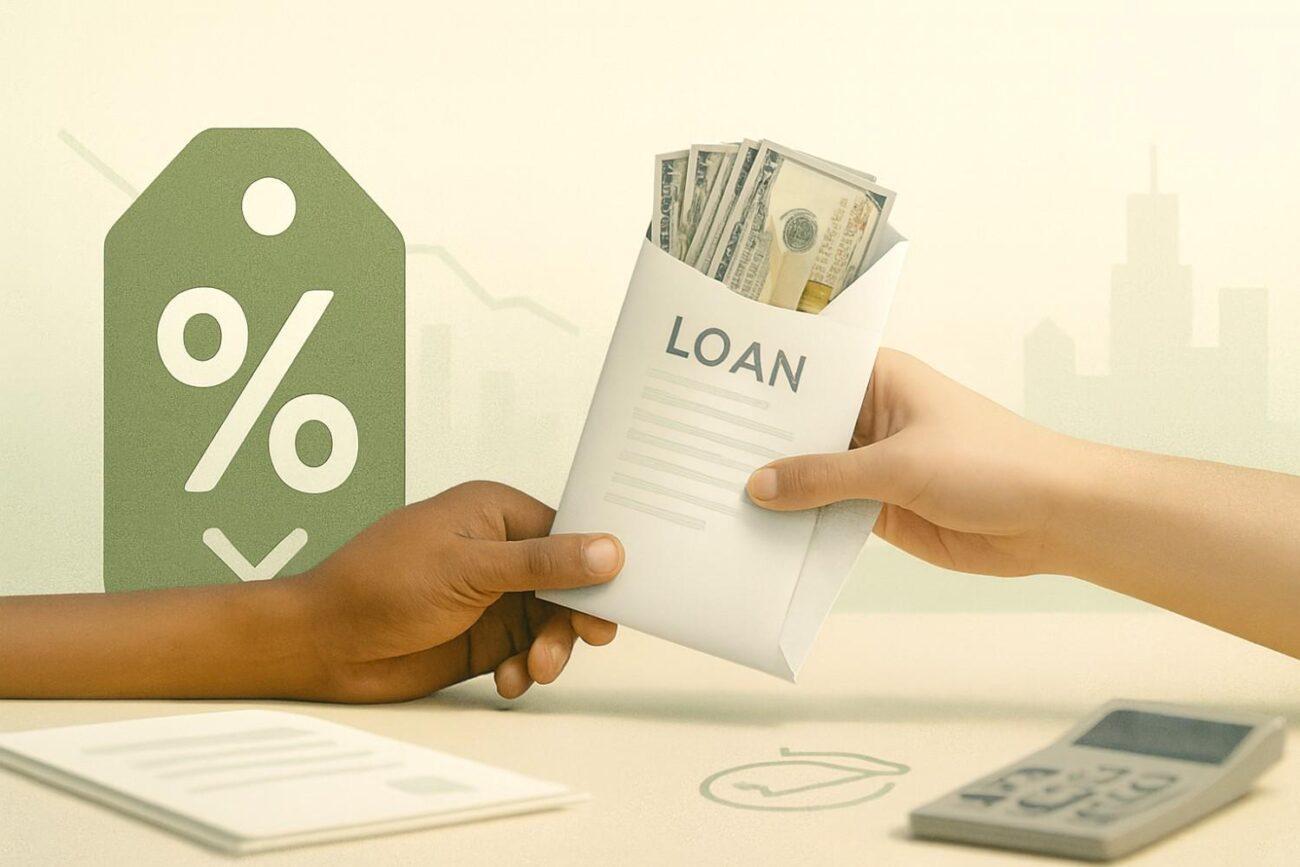
Capital is only as good as what it builds. A second location, a new truck, a renovated dining room, a larger crew, a warehouse full of inventory before the busy season: these are the moves that turn a good business into a bigger one. They also share one trait. None of them pays for itself in a few weeks.
That is exactly why Fundivi focuses on term loans and business loans of 12 to 36 months, with an average term of 16 to 18 months, rather than short-term advances or quick working capital. Longer terms, competitive rates, and fixed payments give growth projects the runway they need to produce returns before the loan is paid off.
This playbook shows how businesses in different industries use Fundivi term loans, how to tell whether a project is a good fit for financing, and how Fundivi’s secure, streamlined process and free tools help you move from idea to funded.
The One Question That Decides Whether a Loan Makes Sense
Will the project add more to monthly profit than the loan payment takes away?
If a new piece of equipment lets you take on enough extra work to add $8,000 a month in profit, and the loan payment is $5,000, the loan is paying for itself with room to spare. If the added profit is $3,000 and the payment is $5,000, the project may still be worthwhile, but the loan structure needs another look, perhaps a longer term to bring the payment down.
This is where term length becomes a strategic tool rather than an afterthought. Consider a hypothetical $150,000 loan at an illustrative 28% annual rate:
| Term | Monthly payment | Total repayment | Total interest |
| 18 months | $10,301 | $185,417 | $35,417 |
| 24 months | $8,233 | $197,599 | $47,599 |
| 36 months | $6,205 | $223,363 | $73,363 |
A project expected to add $14,000 a month in profit could comfortably support the 18-month structure and keep total interest low. A project expected to add $9,000 a month might be better matched to 24 or 36 months. Fundivi’s cost calculator lets you run this comparison with your own numbers in minutes. Business owners can also explore funding options and compare commercial lenders at Business Loans IQ.
Industry Playbooks
Every industry has its own cash flow rhythm and its own growth moves. Here is how Fundivi term loans commonly fit.
Restaurants and Hospitality
Common uses: kitchen equipment, dining room renovations, patio build-outs, a second location, point-of-sale and ordering technology.
Restaurants generate steady daily sales, which makes them frequent targets for short-term advances with daily debits. But a renovation or new location takes months to open and more months to build a following. An 18 to 24 month term loan lets the improvement start earning before it has to be fully repaid, and fixed payments make food and labor budgeting far easier.
Construction and Contracting
Common uses: heavy equipment, work trucks, expanded crews, bonding capacity, a new office or yard.
Contractors often face long gaps between paying for labor and materials and getting paid by clients. Equipment and vehicles have useful lives measured in years, so terms of 24 to 36 months frequently fit. For contractors growing into larger jobs, a term loan can fund the capacity to bid on more work without draining reserves.
Healthcare, Dental, and Veterinary Practices
Common uses: imaging and diagnostic equipment, additional operatories or exam rooms, practice acquisitions, office build-outs, new hires.
Practices tend to have predictable revenue and strong cash flow, which often qualifies them for competitive rates. Equipment that will serve patients for years pairs naturally with longer terms, while hiring a new provider may fit a 16 to 18 month term as their schedule fills.
Trucking and Logistics
Common uses: additional tractors and trailers, major repairs, maintenance facilities, fleet technology.
Every new truck on the road is a new revenue stream, but trucks are expensive and earn back their cost over time. A term loan sized to the revenue each unit produces allows a carrier to grow its fleet while keeping payments manageable between broker and shipper payment cycles.
Retail and E-Commerce
Common uses: larger inventory commitments, store renovations, warehouse space, website and fulfillment upgrades, marketing campaigns.
Retailers often need to buy inventory well before peak season. A 12 to 18 month term spreads that investment across both the selling season and the months that follow, so a single slow month does not create a cash crunch. Store build-outs and fulfillment upgrades, which pay off over longer periods, may suit 24 months or more.
Professional Services and Staffing
Common uses: new hires, office expansion, software and systems, acquiring a smaller firm.
Service businesses grow by adding people, and new people take time to become fully productive. A 16 to 18 month term covers that ramp period, allowing the new team members to generate the revenue that repays the loan.
Manufacturing and Distribution
Common uses: production equipment, facility expansion, raw materials for larger contracts, automation.
A major production upgrade can lower costs or increase output for years. Longer terms of 24 to 36 months match that horizon, while shorter terms can fund raw materials for a specific contract with a known payment date.
Five Growth Moves That Work Best With Term Loans
Across industries, a handful of strategies show up again and again among businesses that use term loans well.
- Adding capacity. More equipment, more space, or more people to serve demand that already exists.
- Opening a new location. Replicating a proven model in a new market.
- Upgrading for efficiency. Investments that lower costs, such as newer equipment, automation, or better systems.
- Acquiring a competitor or complementary business. Buying revenue and customers rather than building them from scratch.
- Refinancing expensive debt. Replacing short-term advances with a single, lower, fixed payment to free up cash for growth.
Each of these produces returns over months or years, which is why each pairs naturally with a 12 to 36 month structure.
How Fundivi’s Free Tools Turn a Plan Into a Loan
Fundivi gives owners three free tools that make it easy to go from a growth idea to a funded project.
The underwriting engine reviews your revenue, deposits, balances, cash flow, existing obligations, and credit to estimate how much your business can comfortably borrow and how large a payment it can support. That tells you right away whether your project is within reach and roughly how to structure it.
Loan matching compares your profile against Fundivi’s own capital programs and its nationwide network of lending partners, surfacing the term loan options that fit your business across the 12 to 36 month range.
The cost calculator lets you test each option against your project’s expected return. Compare payments to the added profit you expect, look at total interest, and choose the structure that makes the project work.
A Secure, Streamlined Path From Application to Funding
Growth opportunities rarely wait. Fundivi’s term loan process is designed to keep up.
- Secure digital application. You apply online through a protected process. Your documents are submitted once, and your file is shared only with the capital sources that fit your profile.
- Minimal documentation. Most businesses need a short application, recent business bank statements, and identity verification. Larger loans may require tax returns or financial statements, which can also help secure a better rate.
- One application, multiple offers. Loan matching brings competing term loan options to you, without separate applications to each lender.
- Clear terms. Every offer shows the rate, term, payment, and total repayment.
- Digital signing. Review and sign your agreement online.
- Fast funding. Many approved businesses are funded the same day they sign, so you can move on equipment deals, leases, and contracts while they are still available.
Why Growing Businesses Choose Fundivi
Growth-minded owners pick Fundivi for its term loans, and they stay for everything that comes with them.
- A true term loan focus. Fundivi does not specialize in short-term advances. Its products and tools are built around 12 to 36 month loans.
- Competitive rates and terms. A hybrid funding model brings multiple capital sources to each file, which pushes pricing in the borrower’s favor.
- Roughly 90% approval capability. The breadth of Fundivi’s programs and partners allows it to find a fit for the large majority of qualifying businesses.
- Every credit profile considered. Excellent credit earns the best pricing, but fair credit, poor credit, thin files, and past defaults are all reviewed on the strength of current cash flow.
- Nationwide, across industries. Businesses in every state and nearly every industry can apply.
- Free tools, no obligation. Underwriting, matching, and cost comparison cost nothing to use.
- Transparent pricing. The full repayment amount is shown before you sign.
- A partner for the next stage. As revenue grows and your repayment history builds, larger amounts and better terms become available.
Who Qualifies
To apply for a Fundivi term loan, a business needs:
- At least 6 months in business
- An average of $20,000 or more in monthly revenue
- Positive cash flow with room to support a loan payment
Frequently Asked Questions
Can I use one term loan for several purposes? Yes. Many owners combine needs, such as equipment and hiring, into one loan with one payment. Size the loan to the total and choose a term that fits the longest-lived investment.
Do I need a formal business plan? Usually not. Fundivi’s underwriting focuses on your actual revenue and cash flow. For larger loans, financial statements may be requested.
What if my project is seasonal? Fundivi looks at average monthly revenue, so seasonal businesses can qualify. Choose a payment you can comfortably make in your slowest month.
Can I come back for a second loan later? Yes. A strong repayment record and growing revenue often qualify businesses for larger amounts and better pricing on the next round.
How quickly can I start? You can run the free underwriting engine and cost calculator right away and submit your application whenever you are ready.
Four Growth Stories
The industry playbooks above describe patterns. These hypothetical stories show how the pieces fit together for individual businesses.
A dental practice adds two operatories. A practice averaging $140,000 a month is turning away new patients because its chairs are full. The owner borrows to build out two operatories and buy the equipment. The underwriting engine shows strong cash flow, and loan matching surfaces several competitive offers. The owner chooses a 24-month term, which keeps the payment well below the added monthly production once the new chairs fill. Within a few months, the expansion is covering its own payment.
A regional carrier adds two trucks. A trucking company averaging $95,000 a month has steady contracts but no spare capacity. Two additional units would let it accept loads it currently refers out. Because trucks earn over several years, the owner chooses a 36-month term, matching the payment to the revenue each truck brings in. Fixed monthly payments sit comfortably between broker payment cycles.
A boutique retailer stocks up for the holidays. A retailer averaging $45,000 a month most of the year sees sales nearly double in the fourth quarter. The owner borrows in late summer to buy inventory at volume pricing. A 12-month term keeps total interest low, and the holiday surge pays down a large share of the balance early in the loan’s life.
A staffing firm hires a sales team. A staffing agency averaging $120,000 a month wants to break into a new region. It hires three recruiters and a business development lead, knowing they will take several months to reach full productivity. An 18-month term covers the ramp-up period, and by the second half of the loan the new team’s placements are generating more than enough to cover the payment.
Four industries, four goals, four different terms, and one common thread: each loan was structured around how the investment would actually pay off.
Building a Three-Year Borrowing Strategy
The smartest growth companies do not think about financing one loan at a time. They think about how each round sets up the next. Here is a simple framework many owners follow.
Year one: fund the highest-return project. Start with the investment most likely to increase profit quickly, such as added capacity for demand you are already turning away. Choose a term that keeps the payment comfortable, often in the 16 to 18 month range.
Year two: build the record. Make every payment on time, keep healthy balances, and route all revenue through your business account. Rising revenue and a clean repayment history strengthen your profile in the underwriting engine.
Year three: scale up on better terms. Return to Fundivi for the next project, whether a new location, an acquisition, or a larger equipment purchase. A stronger profile often brings larger amounts, lower rates, and access to longer terms.
Along the way, keep an eye on any expensive short-term balances. Consolidating them into a term loan can free up cash that would otherwise go to daily debits and redirect it into growth.
Mistakes to Avoid When Borrowing to Grow
Even good projects can stumble when the financing is set up poorly. Watch for these common missteps.
- Borrowing more than the project needs. Extra capital adds cost without adding return. Size the loan to the plan.
- Choosing the term by payment alone. The lowest payment is not always the best choice if it adds significant interest. Balance payment comfort against total cost.
- Ignoring the ramp-up period. Most projects take time to produce. Make sure your current cash flow can carry the payment until they do.
- Mixing short money with long projects. Funding a multi-year investment with a few months of repayment is one of the fastest ways to strain cash flow.
- Skipping the comparison. Always review more than one option. Loan matching and the cost calculator make that easy and free.
Getting Ready to Apply
A little preparation goes a long way toward a stronger offer. Before you submit your secure application, gather your most recent business bank statements, confirm that all business revenue is flowing through your primary business account, and note any existing loans or advances so the underwriting engine can account for them. If you are requesting a larger amount or a longer term, having your latest tax return and a current profit and loss statement on hand can help lenders price with more confidence. Finally, write down what the money will fund and what you expect it to return each month. That one number, compared against the payment in the cost calculator, will tell you more about the right structure than any rule of thumb.
The Bottom Line
Growth is a long game, and it deserves financing built for the long game. Fundivi’s term loans and business loans of 12 to 36 months, averaging 16 to 18 months, give restaurants, contractors, practices, carriers, retailers, service firms, and manufacturers the runway to let their investments pay off, with competitive rates and fixed payments that make planning simple.
Paired with a secure, streamlined application, fast funding, free decision tools, and a hybrid model with the reach to approve roughly 90% of qualifying businesses, Fundivi gives owners everything they need to turn their next big move into a funded plan. Fundivi is not a short-term funder. It is a growth partner.
The post The Growth Playbook: How Businesses Across America Put Fundivi Term Loans to Work appeared first on Entrepreneurship Life.