Harvey Nichols suppliers set to recover less than 15p in the pound after Frasers pre-pack
 Tomas Kauer

Suppliers to Harvey Nichols are expected to receive less than 15p in the pound after the luxury department store group was acquired by Frasers Group through a pre-pack administration, according to new filings at Companies House.
The documents reveal that the group’s primary trading entity, Harvey Nichols and Company, fell into administration owing £270.5 million to unsecured creditors. Early-stage estimates from the administrators, FTI Consulting, indicate that a maximum of 15 per cent of that sum is expected to be returned.
Brand partners set to lose out include Victoria Beckham, Jimmy Choo and Canada Goose, which are owed about £353,349, £174,201 and £565,267 respectively. Other unsecured creditors include Jo Malone, Puig and Estée Lauder. Preferential creditors, among them HM Revenue & Customs, are expected to be repaid in full.
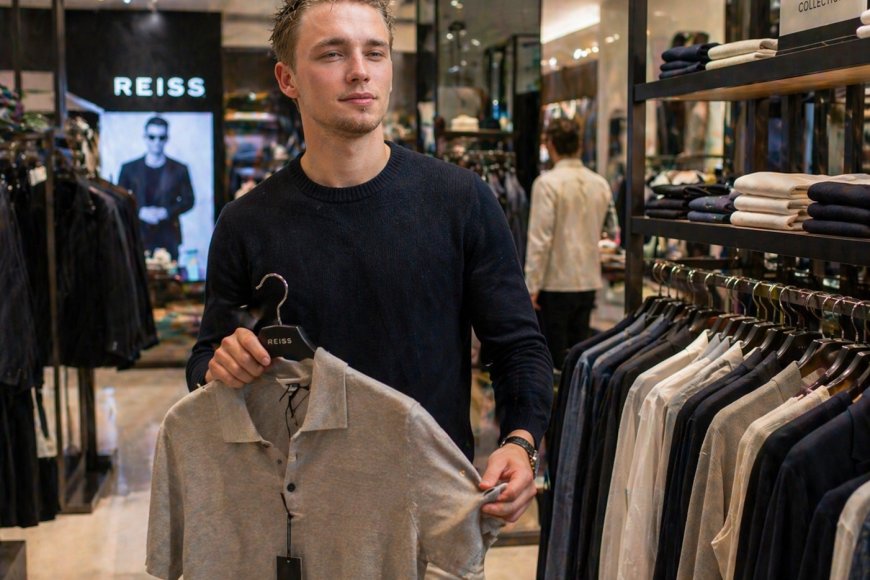
Frasers acquired Harvey Nichols last month, seeing off competition from Next and other international suitors after the chain was put up for sale by the Hong Kong billionaire Sir Dickson Poon following years of losses. Business Matters reported at the time on how Harvey Nichols was sold to Frasers through a pre-pack deal that preserved more than 1,000 jobs and secured the immediate future of its British store estate, including the Knightsbridge flagship and a number of regional stores.
How the pre-pack leaves creditors exposed
A pre-pack is a fast-track insolvency process in which a buyer is lined up to acquire the business straight after the administration. The House of Commons Library describes it as an arrangement under which the sale of a company’s business or assets is negotiated with a purchaser before the administrator is appointed.
The process is contentious in part because it can leave creditors lumbered with unpaid debts. Supporters argue that pre-packs are an efficient way to rescue struggling businesses, save jobs and maximise returns to creditors.
For the smaller brands and suppliers on the Harvey Nichols creditor list, the practical consequence is that the bulk of what they were owed by the old company will not be recovered, while the business itself trades on under new ownership.
Brand partners raised concerns over Frasers
The arrival of Frasers in the auction of Harvey Nichols was said to have caused concern among brand partners this summer. The FTSE 250 retailer, which is controlled by the billionaire Mike Ashley, had to elbow its way into the process after objections from a number of “prestige brand owners”.
After the sale was agreed, Kate Benson, Harvey Nichols’s chief merchant, moved quickly to reassure suppliers of their future under Ashley’s ownership. “Throughout the sales process we have spoken at length with Frasers, and we are confident that they understand our business and value our brand relationships,” Benson wrote in a memo reported by Sky News.
Frasers’ reputation among luxury suppliers was previously tarnished by its deal with Matches Fashion. The group bought the luxury clothing website for £52 million before placing it into administration in 2024, just weeks after the acquisition, putting hundreds of jobs at risk and leaving suppliers out of pocket. A question mark remains over the retailer’s ability to attract brand partners to Harvey Nichols given that history.
Ashley’s push into luxury
The acquisition marks a significant step in Ashley’s long-running effort to expand his retail empire’s share of the luxury market. Frasers, which also owns House of Fraser and Flannels, recently increased its stake in Hugo Boss to almost 48 per cent after making a £1.7 billion takeover offer for the German fashion house in the summer. It also raised its holding in Burberry in late July.
Michael Murray, the Frasers chief executive and Ashley’s son-in-law, has said that turning around Harvey Nichols will require “tough choices”. He added: “We are prepared to make those decisions, even if that means a smaller business in the near term, to create a stronger and more sustainable Harvey Nichols for the long term.”
Frasers and FTI Consulting were approached for comment.